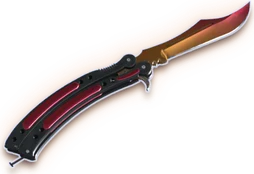


A CS2 case is a locked container. It holds a set list of weapon skins across rarity grades, and each case has one rare special item slot that can return a knife or gloves. Cases reach players through the weekly Care Package that CS2 introduced at launch, which only Prime Status accounts receive, and they can be bought and sold on the Steam Community Market and on third-party marketplaces.
Opening a case needs a matching key bought from the in-game store. The key is the real cost, since many cases are cheap. The item you get is random, and the published odds are the same for every key-opened case, with rarer grades far less likely.
What are the odds of opening a knife from a case?
Valve's Chinese publisher Perfect World published the odds in 2017 to meet Chinese law, and the community treats them as the global rates. Mil-Spec (blue) items appear 79.92% of the time, Restricted (purple) 15.98%, Classified (pink) 3.20%, Covert (red) 0.64%, and the rare special item, meaning a knife or gloves, 0.26%. The same notice puts the StatTrak chance at one in ten.
Those odds mean the average value of what comes out of a case is usually well below the price of the case plus the key. Opening cases is a paid chance, not a way to make money on average.
Why do case prices change?
Case prices depend on how many are still dropping. A case in the current drop list gets new supply every week, so its price stays low. Valve changes the list in its release notes, for example when it removed the Gallery Case from the Armory in October 2025. Once a case stops dropping, new supply stops and only the existing copies remain, so the price can climb over time as people open the remaining ones.
That pattern is why some traders hold sealed cases as a long-term position. It is also why a new case release, which changes the drop pool, can move the price of older cases within days.