

A CS2 trade-up contract is an in-game tool that turns many skins into one. You select ten weapon skins of the same rarity grade, confirm, and receive one skin one grade higher. The output is random, but it can only come from the collections your inputs belong to, and each collection's chance is weighted by how many of your inputs came from it.
The output's float value is also set by the inputs. The average wear of your inputs, scaled to the possible output's float range, decides the result's float. This is why traders pick inputs carefully to land a Factory New result, and why float capping is a whole skill of its own.
What are the trade-up contract rules?
All ten inputs must share one rarity. They must be all StatTrak or all normal, never mixed, and a StatTrak contract returns a StatTrak item. Inputs can come from any mix of collections. Since a 2026 update, Souvenir skins can be used alongside normal skins; the contract strips their Souvenir attributes and the output is always a normal item, and Souvenir inputs cannot be mixed with StatTrak.
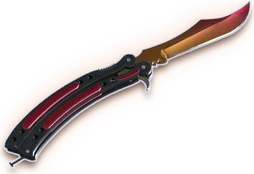
For years the chain stopped at Covert, since there is no grade above it in a normal collection. In October 2025 Valve extended contracts so that five Covert skins return a random knife or pair of gloves from the collections of the inputs, with StatTrak Coverts returning a StatTrak result. You cannot choose which knife or finish you get.
Can you make money with trade-up contracts?
Sometimes. The tool is a gamble with known odds, so its expected value can be calculated. A contract is profitable on average only if the weighted value of all possible outputs is higher than the cost of the ten inputs after selling fees. Most random contracts lose money, and the profitable ones need cheap inputs from a collection with an expensive output.
Use a trade-up calculator before committing, check the current prices of every possible output, and remember the result is one random roll. A positive expected value does not mean you win this time.