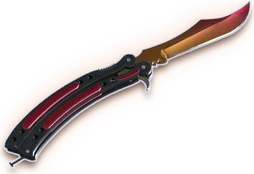


Every CS2 skin has a pattern index, shown as the paint seed in float checkers. It is an integer between 0 and 1000 rolled when the item is created, and like the float it never changes. The number tells the game where to position the finish's texture on the weapon, so two copies of the same skin with different seeds can show the texture shifted, rotated or offset.
For most skins the pattern index makes no visible difference. For a handful of finishes it is the single biggest factor in price, more than float or StatTrak.
Which skins does the pattern index matter for?
Case Hardened is the best known. Its texture is a mix of blue, purple and gold, and some seeds place a lot of blue on the visible side of the weapon. Those are called blue gems and can be worth many times a normal copy. Doppler and Gamma Doppler use the seed to pick the phase, so the seed decides whether a knife is Phase 1, Ruby, Sapphire, Black Pearl or Emerald. Fade skins use the seed to set how much of the fade shows, which traders express as a fade percentage. Other pattern-dependent finishes include Marble Fade, Crimson Web, Slaughter and skins with tiger stripes or scorched patterns.
How do you check and use the pattern index?
Paste the item's inspect link into a float checker. It returns the float, the paint seed and often a pattern tier or rank from a community pattern database. For Case Hardened and Fade skins, the seed maps to a known tier or percentage; for Doppler, it maps to a phase.
When buying, compare the seed against a pattern guide before paying a premium. When selling, list the seed and a screenshot, since buyers who care about pattern will ask. Pattern index is preserved through trades and market sales but cannot be chosen in a trade-up, which rolls a fresh seed for the output.