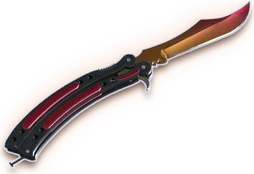


Overpay is a habit of skin-for-skin trading rather than cash sales. When two traders swap items instead of money, the owner of the more desirable item usually wants more than an even match in market value. That extra amount is the overpay. It can be a percentage, a flat amount, or simply the difference between the items on offer.
When do CS2 traders ask for overpay?
Three situations drive most overpay requests. First, one big item traded for many small ones. Selling ten small skins takes time and fees, so the owner of the single knife wants the other side to cover that hassle. Second, rare or hard-to-find items. A specific Doppler phase, a low float, a nice sticker craft or a blue gem pattern is worth more to the right buyer than a market page shows, and the owner prices that in. Third, hot items right after an update, when demand runs ahead of supply and sellers know they hold the upper hand.
Typical overpay ranges from a few percent on liquid mid-tier skins to 20 percent or more on rare items, but there is no fixed rule. The right number is whatever both sides agree to. If one side thinks the overpay is too high, the trade simply does not happen.
How do you judge whether an overpay is fair?
Start from a neutral price source for both sides, such as recent Steam Market sales or a marketplace price history, not the seller's own asking price. Add the fees each side would pay to turn their items into cash, because cash is what both traders are really comparing. Then ask whether the extra is buying something real: a scarce feature, a saved fee, a faster deal. If the only argument is "my item is worth more to me," the overpay is a wish, not a price.
Watch for overpay used as a scam hook. A stranger who offers a large overpay on your item, then pushes you to a "middleman" or a site you have never heard of, is not being generous. The scam trading sites guide lists the usual patterns.